

Industrial Motor Troubleshooting is one of the most important skills in modern manufacturing and facility management. Electric motors power conveyors, pumps, fans, and countless other machines. When a motor fails, it can bring entire operations to a halt, costing time and money. Troubleshooting involves identifying the problem, diagnosing the root cause, and applying the right repair solution. Understanding this process helps technicians save downtime, extend equipment life, and improve safety.
The process of Industrial Motor Troubleshooting combines technical knowledge with systematic testing. Technicians must consider electrical, mechanical, and environmental factors that could be responsible for the malfunction. By learning to evaluate symptoms carefully and using specialized tools, a clear diagnosis can be made. This introduction lays the groundwork for deeper exploration into common issues, tools, and repair methods that every industrial maintenance team should know.
Table of Contents
Recognizing the Signs of Motor Trouble
The first step in Industrial Motor Troubleshooting is learning to recognize early warning signs. Unusual vibrations, overheating, strange noises, or reduced efficiency often indicate underlying issues. For example, humming sounds may point to electrical imbalances, while rattling can suggest mechanical wear. Paying attention to these signs allows for intervention before the motor completely fails.
Motor operators and facility managers should train themselves to look for small performance changes. Excessive current draw, tripped circuit breakers, or uneven load distribution are red flags. Routine monitoring and noting these early symptoms makes it possible to address small issues before they grow into catastrophic breakdowns. Awareness is the foundation of effective troubleshooting.
Electrical Issues and Their Diagnosis
Electrical problems are some of the most common causes of motor failure. Loose connections, faulty wiring, or damaged insulation can all disrupt performance. During Industrial Motor Troubleshooting, technicians use tools such as multimeters or insulation resistance testers to identify voltage drops, ground faults, or irregularities in power supply.
Surge testing and resistance checks help uncover hidden electrical faults. For example, an imbalance between windings may show up as uneven resistance readings. Without addressing these issues, motors risk overheating, short-circuiting, or total failure. Careful electrical testing ensures not only a proper diagnosis but also the safety of technicians working on the equipment.

Mechanical Failures in Motors
Mechanical problems often present as noise, vibration, or physical damage. Misaligned shafts, broken bearings, or worn couplings can all hinder performance. In Industrial Motor Troubleshooting, checking mechanical components is crucial to determine whether repairs are needed or if replacement parts must be installed.
Lubrication issues frequently contribute to mechanical failures. Bearings that run dry or with the wrong lubricant generate excessive heat and wear. By routinely inspecting mechanical parts and maintaining proper lubrication schedules, many breakdowns can be avoided. Understanding these mechanical aspects ensures a more complete troubleshooting approach.
Overheating and Temperature Problems
Excessive heat is one of the most dangerous threats to industrial motors. Overheating often results from overloading, poor ventilation, or electrical imbalances. As part of Industrial Motor Troubleshooting, technicians check for clogged vents, blocked cooling fans, or insulation damage caused by high operating temperatures.
Temperature monitoring tools such as infrared thermometers or thermal cameras can detect hot spots before failure occurs. Continuous overheating accelerates insulation breakdown and shortens motor life. By addressing heat-related issues promptly, companies can prevent unexpected shutdowns and extend the service life of their equipment.
Vibration Analysis and Alignment Checks
Vibration analysis is a powerful tool in Industrial Motor Troubleshooting. Excessive vibration can indicate misalignment, imbalance, or bearing problems. Using vibration meters or alignment lasers, technicians can pinpoint the source of instability and correct it before it leads to severe damage.
Improper alignment between the motor and its load often causes stress on shafts and bearings. Even a small misalignment can lead to increased wear and energy loss. Routine alignment checks combined with vibration monitoring provide a predictive maintenance strategy, reducing the risk of sudden motor failures.

Testing Tools and Techniques
No Industrial Motor Troubleshooting process is complete without specialized testing tools. Multimeters, megohmmeters, oscilloscopes, and surge testers all play important roles in diagnosing electrical faults. Each tool provides data about current, voltage, resistance, and insulation integrity.
Dynamic balancing equipment and alignment lasers address mechanical concerns. Combined, these instruments give technicians the ability to thoroughly evaluate motor health. Proper training in tool usage is critical, ensuring that results are interpreted correctly and the root problem is identified with precision.
Preventive Maintenance Strategies
Troubleshooting is not only about fixing problems after they occur but also about preventing them. Preventive maintenance strategies form a major part of Industrial Motor Troubleshooting. Scheduled inspections, lubrication routines, and regular testing help detect potential failures before they disrupt operations.
Preventive programs also extend motor life and reduce repair costs. By keeping a log of inspections, test results, and service histories, facilities gain valuable insight into performance trends. This data makes it possible to predict failures and schedule repairs at convenient times, avoiding costly production stoppages.
Safety Considerations in Troubleshooting
Safety is always the highest priority during Industrial Motor Troubleshooting. Motors operate with high voltage and rotating machinery, both of which present hazards. Lockout-tagout procedures, proper protective equipment, and careful adherence to safety protocols are essential.
Electrical arcs, moving parts, and stored energy in capacitors can all endanger technicians. Following industry standards and ensuring only trained personnel perform troubleshooting tasks minimizes risks. A culture of safety ensures that repairs are effective while keeping the workforce protected.
Conclusion: Partnering with Experts
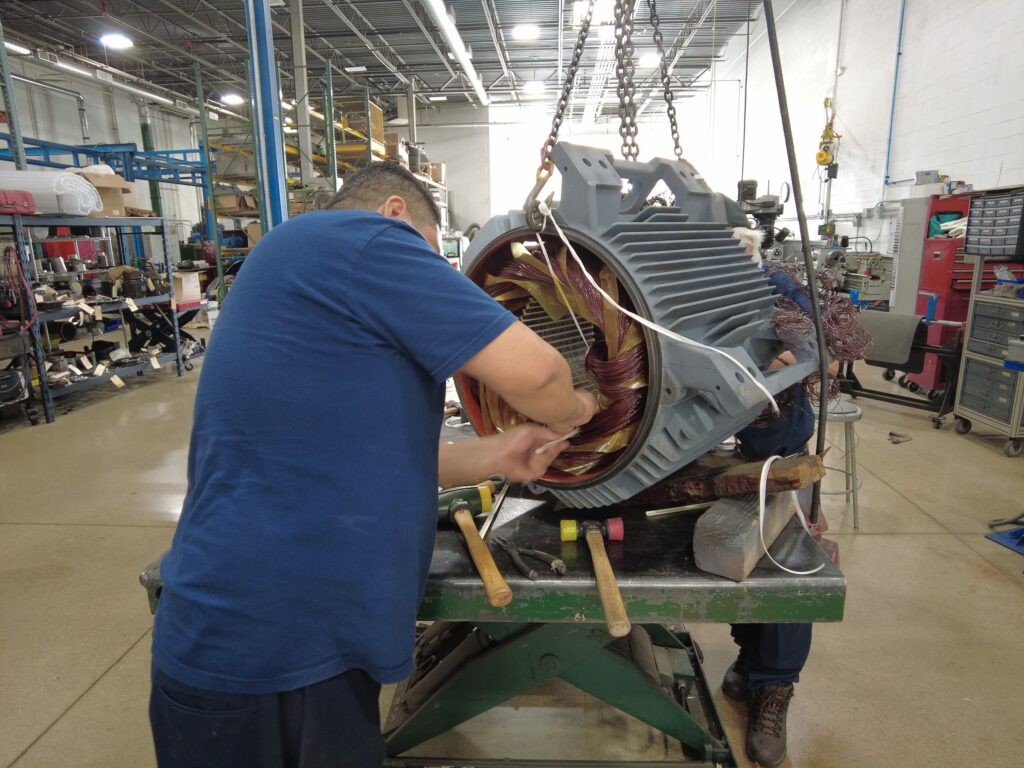
Industrial Motor Troubleshooting is a critical process that blends electrical, mechanical, and preventive strategies to keep operations running smoothly. Recognizing early signs of trouble, using the right tools, and applying systematic checks all contribute to accurate diagnosis and repair. When troubleshooting is done correctly, motors last longer, perform better, and reduce overall downtime for businesses.
However, not all troubleshooting can be handled in-house. Partnering with a trusted repair company ensures that complex issues are addressed with advanced equipment and expertise. A Plus Electric Motor Repair specializes in repairing, testing, and restoring industrial motors to peak condition. With their one-year warranty and in-house capabilities, they provide the reliable support facilities need to keep production moving.